

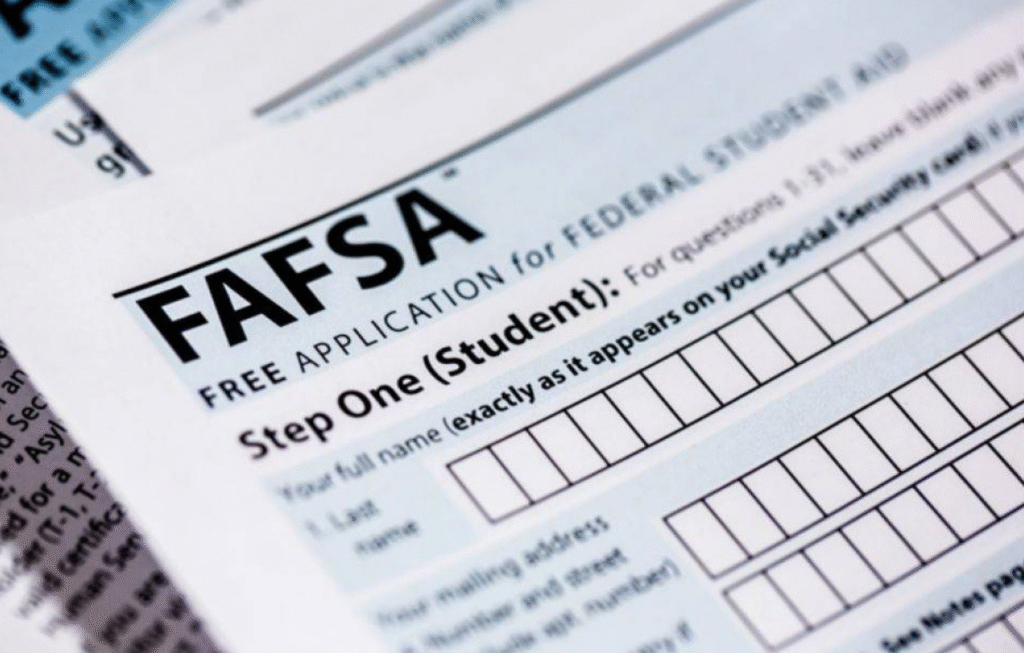

If you’re planning to attend college in the U.S., filling out the FAFSA (Free Application for Federal Student Aid) is one of the most important steps you can take to access grants, loans, and federal work-study. But with recent changes and a phased rollout, many students are unsure how to navigate the process. This guide will walk you through what FAFSA is, how to apply for the 2025–2026 school year, what documents you need, and important deadlines.
What Is the FAFSA?
The FAFSA is the official application form used to determine eligibility for U.S. federal student aid. This includes:
- Grants (like Pell Grants)
- Federal student loans
- Work-study programs
It’s also used by many U.S. states and colleges to decide on their own financial aid packages. (USAGov)
Completing the FAFSA is free, and it’s required for most types of federal aid. (FSA Partner Connect)
What’s New for the 2025–2026 FAFSA
- Early Beta Launch
The 2025–2026 FAFSA form opened in a beta testing phase first. (University Blogs) - Full Launch Set for Dec 1
While the FAFSA normally opens on October 1, for 2025–26 the full rollout was delayed. (CNBC) - Longer Submission Window
You can submit the FAFSA for the 2025–26 school year until June 30, 2026. (FSA Partner Connect) - New Calculation & Verification Rules
The form now calculates your Student Aid Index (SAI) instead of the old Expected Family Contribution (EFC). (FSA Partner Connect) - Anti-Fraud Measures Reinforced
The Department of Education has reinstated stronger fraud detection tools for FAFSA applications, to prevent misuse of federal aid. (Investopedia)
How to Apply: Step-by-Step
- Create Your FSA ID
- Go to StudentAid.gov and set up your FSA ID — both students and contributors (e.g., parents) need one. (USAGov)
- Note: It may take 1–3 days for your FSA ID to be fully verified by the Social Security Administration. (Reddit)
- Gather Required Documents
Before starting the form, have these ready:- Social Security Number (or alien registration, if you’re not a citizen) (CNBC)
- 2023 federal tax returns (for 2025–26 FAFSA) (CNBC)
- Bank statements, investment details, and other financial info (CNBC)
- A list of schools you’re applying to, so their financial aid offices can receive your FAFSA. (University Blogs)
- Fill Out the FAFSA Online
- Go to the official FAFSA site at StudentAid.gov/apply-for-aid/fafsa. (University Blogs)
- The online form is strongly recommended — faster, fewer errors, and built-in skip logic. (FSA Partner Connect)
- If needed, there is also a paper PDF version you can print, fill out, and mail. (FSA Partner Connect)
- Submit and Review
- Once you complete the form, double-check for any missing fields or inconsistencies.
- After submission, you’ll receive a FAFSA Submission Summary. Review it carefully.
- If there are errors, you can make corrections — but be careful and do it before deadlines. (FSA Partner Connect)
- Check Your FAFSA Status
- Log in to your StudentAid.gov account to track if your FAFSA has been processed. (USAGov)
- Schools will begin to receive your FAFSA information (ISIR) as it’s processed. (FSA Partner Connect)
Key Deadlines to Know
- FAFSA Form Becomes Available: For 2025–26, partial access began earlier, full access by Dec 1, 2024. (CNBC)
- Federal Deadline: June 30, 2026. (FSA Partner Connect)
- State / Institutional Deadlines: Vary — check with your college or state financial aid office.
Pro Tip: Submitting ASAP can help because many schools award aid on a first-come, first-served basis. (Coursera)
Common Issues & How to Avoid Them
- Technical Glitches: In past application cycles, around 25% of users reported difficulty submitting due to math or system errors. (Axios)
- No SSN for Parents: If your parents don’t have Social Security Numbers, you can still invite them to fill out their portion — but some users report confusing steps. (Reddit)
- Changes After Submission: Be very careful before hitting “submit.” In some years, users reported they couldn’t make changes after sending in their FAFSA. (Reddit)
- Verification: Some FAFSA applications are selected for verification. Be ready to provide tax transcripts, income proof, or other documentation. (FSA Partner Connect)
Why It Matters: Benefits of Filing FAFSA
- Free Money: Completing FAFSA opens the door to Pell Grants, which don’t need to be repaid.
- Loans with Better Terms: Federal student loans generally have lower interest rates than private ones.
- Work-Study Opportunities: Shows eligibility for campus work programs.
- State & Institutional Aid: Many colleges use FAFSA data to distribute their own scholarship and grant money.
After You Submit: What’s Next
- Financial Aid Offers
Once your FAFSA form is processed, the colleges you listed will use your data to create an aid package. This may include grants, loans, and work-study. - Review and Accept
Compare the offers from different schools and decide what to accept. Remember: grants are “free aid”; loans will have to be repaid. - Maintain Eligibility
You’ll typically need to file a FAFSA every year to stay eligible for federal aid. - Keep Your FSA ID Safe
You’ll use your FSA ID for other financial aid tasks, including loan applications, corrections, and renewal.
Useful External Links
- FAFSA Official Site: StudentAid.gov – FAFSA
- Federal Student Aid Handbook: Application & Verification Guide PDF (FSA Partner Connect)
- USA.gov FAFSA Page: Explains eligibility and provides FAQs. (USAGov)
Filing your FAFSA application can feel daunting — especially with recent changes and the beta rollout. But taking the time to complete it early can significantly improve your chances of securing financial aid. Gather your documents, set up your FSA ID, and submit it as soon as you’re ready. The potential payoff (grants, loans, and more) makes it one of the most important steps in your college journey.